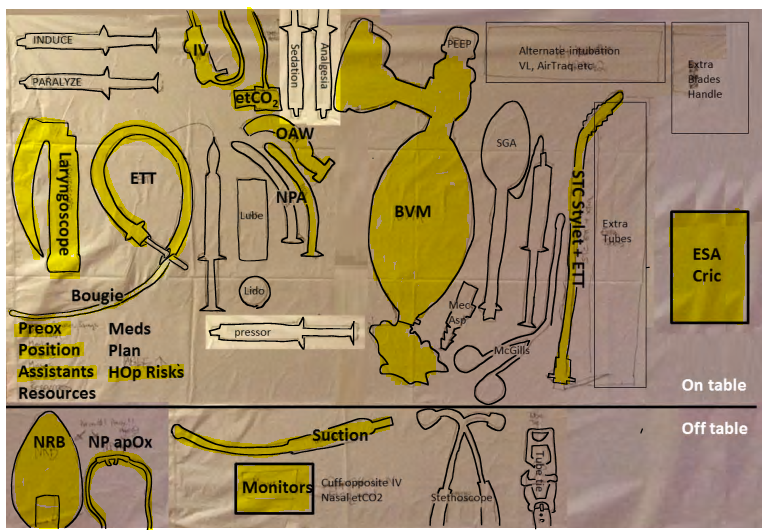
Doctor saves life with knife, ballpoint pen

Continue reading “Doctor saves life with knife, ballpoint pen”
Evaluation of a Difficult Airway Educational Intervention on Residents’ Performance of Endotracheal Intubation in the Emergency Department
Agitation in ICU – my talk at Bedside Critical Care 2013
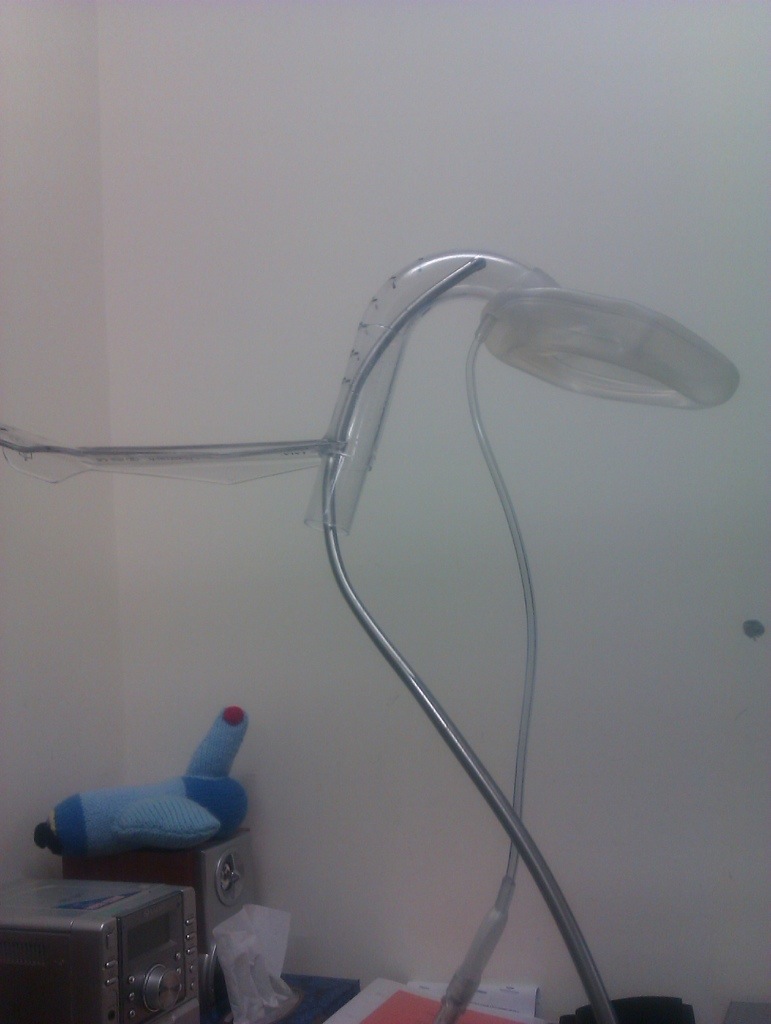
Evaluation of Paramedic Utilization of the Intubating Laryngeal Mask Airway in High-Fidelity Simulated Critical Care Scenarios
Long Backboard versus Vacuum Mattress Splint to Immobilize Whole Spine in Trauma Victims in the Field: a Randomized Clinical Trial

Vacuum mattress splint shown in intubated prehospital trauma patient
Continue reading “Long Backboard versus Vacuum Mattress Splint to Immobilize Whole Spine in Trauma Victims in the Field: a Randomized Clinical Trial”
Survival at Sea

Airway management: ‘‘the times they are a-changin’’ by Dr George Kovacs

Continue reading “Airway management: ‘‘the times they are a-changin’’ by Dr George Kovacs”
HOW TO PRODUCE A JAMIT VIDEO ENTRY

Continue reading “HOW TO PRODUCE A JAMIT VIDEO ENTRY”
Playing games

Video IS killing the Direct Laryngoscope star!

Time to JAMIT by Stomp The Orange
The official JAMIT promotional song by Stomp The Orange
The Lead singer on the recording is none other than Dr GERRY CONSIDINE
Like the song then consider joining the JAMIT competition!
Mac Partlin on Emergency Airway Access
Antidepressant Efficacy of Ketamine in Treatment-Resistant Major Depression: A Two-Site Randomized Controlled Trial

Norwegian paper suggests stop routine prehospital cervical collar use

(picture attribution HERE)
Continue reading “Norwegian paper suggests stop routine prehospital cervical collar use”
 Prehospital and Retrieval Medicine - THE PHARM dedicated to the memory of Dr John Hinds

You must be logged in to post a comment.