
Continue reading “At the Captains table”
A Rant about Paramedic Intubation

A relatively brief and evidence free opinion piece about intubation. As always, feedback is welcomed.
Play in player below, or right click file at bottom of page and select “Save As”
JAMIT 2013 COMPETITION UPDATE!
The Importance of a Solid Foundation
Here is another guest post by my colleague James. This is an excellent piece on the importance of approaching scenarios in a cohesive, standardised manner that still allows some flexibility. Emergency medicine is actually based on some pretty simple concepts as James discusses.
As an ALS clinical instructor who also dabbles in teaching at university, the one single concept I harangue all my students with is the idea of having a good clinical approach. Teaching many students in one form or another has shown me that this is the single most useful thing that anyone can learn in paramedicine. Unfortunately it’s one of the most unevenly applied and its importance is poorly understood. So today I want to try to get across why it’s critical that the student paramedic gets this straight in their head.
View original post 656 more words
CASE #6 UPDATE – FIND THE BLEEDING, STOP THE BLEEDING

OK, thanks to all who answered CASE#6 ‘Find the bleeding, stop the bleeding’
Plenty of good ideas, although some of the options are more realistic than others given the inevitable constraints of rurality. Glad that none followed the EMST mantra to the letter and killed him…
The setting of rural Australia poses a challenge, especially for those used to working in larger centres. James and Casey are used to this kind of stuff (although Casey’s mostly in-hospital and has even got a CT scanner…James is used to working out of a tent wearing just rabbit skins). Credit to Derek & Hildy for having a bash with spot on answers – but with kit we just don’t have!
You can read the case and initial comments here

Case discussions like these can be useful to reinforce what we already know and perhaps look at things from a new perspective. I chose…
View original post 3,885 more words
A New Technique to Insert Nasogastric Tube in an Unconscious Intubated Patient

Continue reading “A New Technique to Insert Nasogastric Tube in an Unconscious Intubated Patient”
Sunrise TV interview of Ben Gilmour on Paramedico
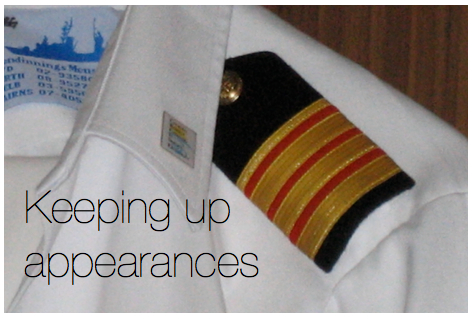
Keeping up appearances
The Power of Social Media and FOAM
I was just given a fantastic reminder of just how excellent social media can be for those of us in the medical fields. That’s right, it’s not just for drunken rambling or posting photos of your lunch/cat/alcohol/genitals…
I was browsing twitter when I came across the following tweet
Clicking through to the article I found that the first part of the article referred to Victorian Paramedics “failing” diabetics due to gaps in our training…. What the?!
View original post 341 more words
The future of airway management will be via the NOSE
Dr Richard Levitan demonstrates 15l/min nasal oxygen
Continue reading “The future of airway management will be via the NOSE”
JAMMIT on How to Do an Adrenaline infusion
Paediatric DSI – dont Dis the DSI
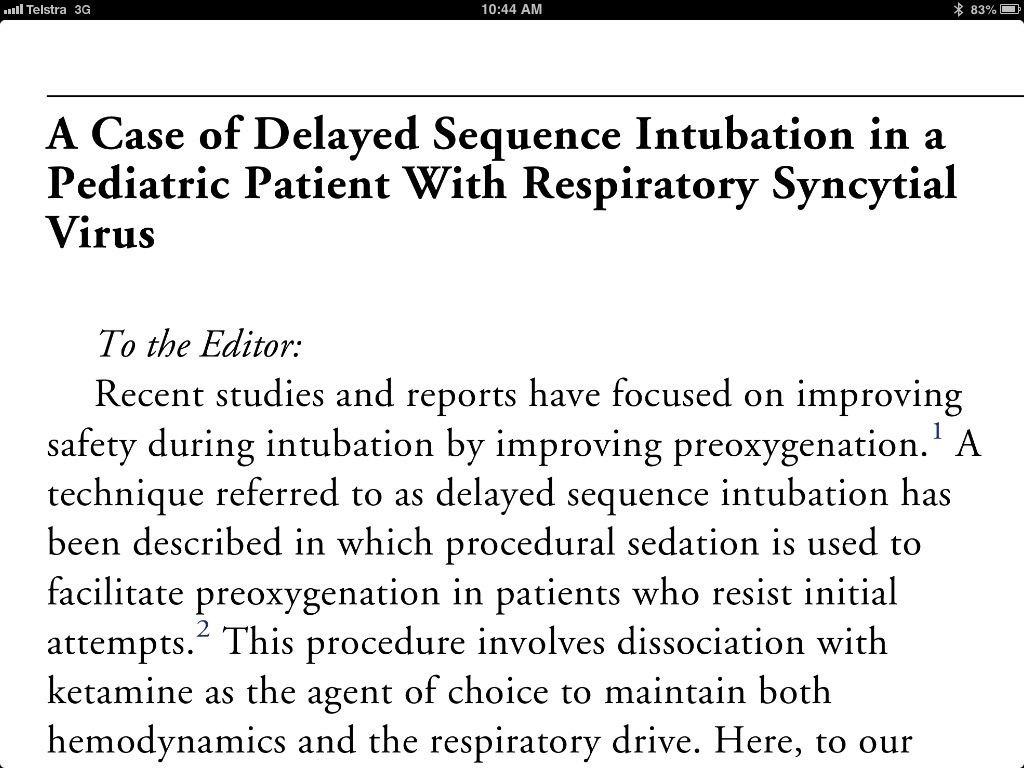
Variability Of FiO2 Provided By Self Inflating BVM Devices During Spontaneous Ventilation

Read more from Dr Nicholas Chrimes on this important resuscitation topic
Variability Of FiO2 Provided By Self Inflating BVM Devices During Spontaneous Ventilation
BagValveMask as a murder weapon
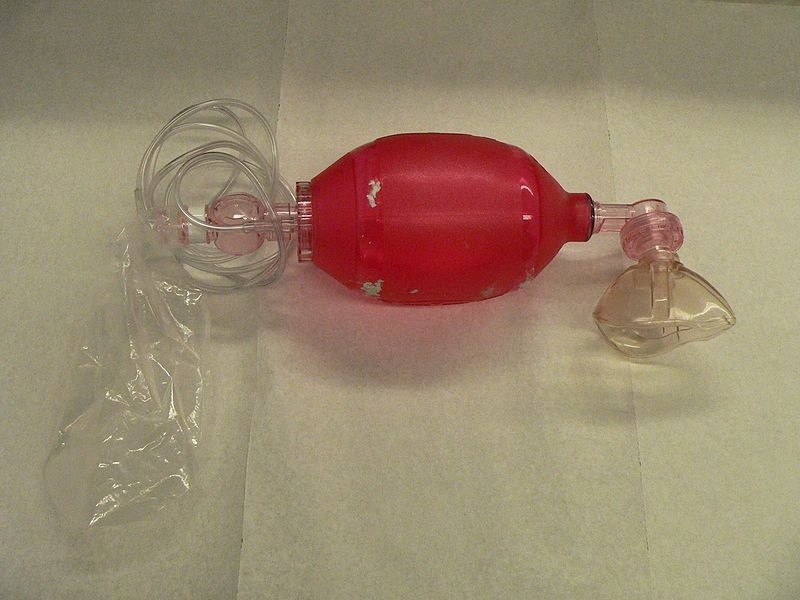
( image attribution Ballon ventilation Wikipedia)
Continue reading “BagValveMask as a murder weapon”
CASE #6 : FIND THE BLEEDING, STOP THE BLEEDING
Critical illness is part of the remit of rural doctors, albeit encountered relatively infrequently – which of course makes it all the more challenging! Moreover rural doctors have to deal with such cases with limited staff, no backup and paucity of lab tests and definitive care.
Perhaps one of the most commonly encountered true emergencies in the bush is dealing with major haemorrhage. Our patients work on farms, in heavy industry, or are involved in road crashes.
Let’s consider a hypothetical case and see how FOAMed could help.
THE SCENARIO
It’s Tuesday morning and you are busy working through a routine Primary Care Clinic in anticipation of the afternoon off. The local Rotary are hosting a BBQ at the nearby football oval and you’ve been invited as a guest speaker on the pros & cons of prostate cancer testing.
Clinic is rudely interrupted by a loud “BANG” from the direction…
View original post 292 more words
 Prehospital and Retrieval Medicine - THE PHARM dedicated to the memory of Dr John Hinds

You must be logged in to post a comment.