EMS Management of Patients with Potential Spinal Injury
Rigid spine boards for immobilization. They knew it was garbage 15 years ago ! Hasnt changed http://t.co/K32PuJzHnt pic.twitter.com/CyuVZXXEz3
— Mike Abernethy (@FLTDOC1) January 9, 2015
Continue reading “EMS Management of Patients with Potential Spinal Injury”
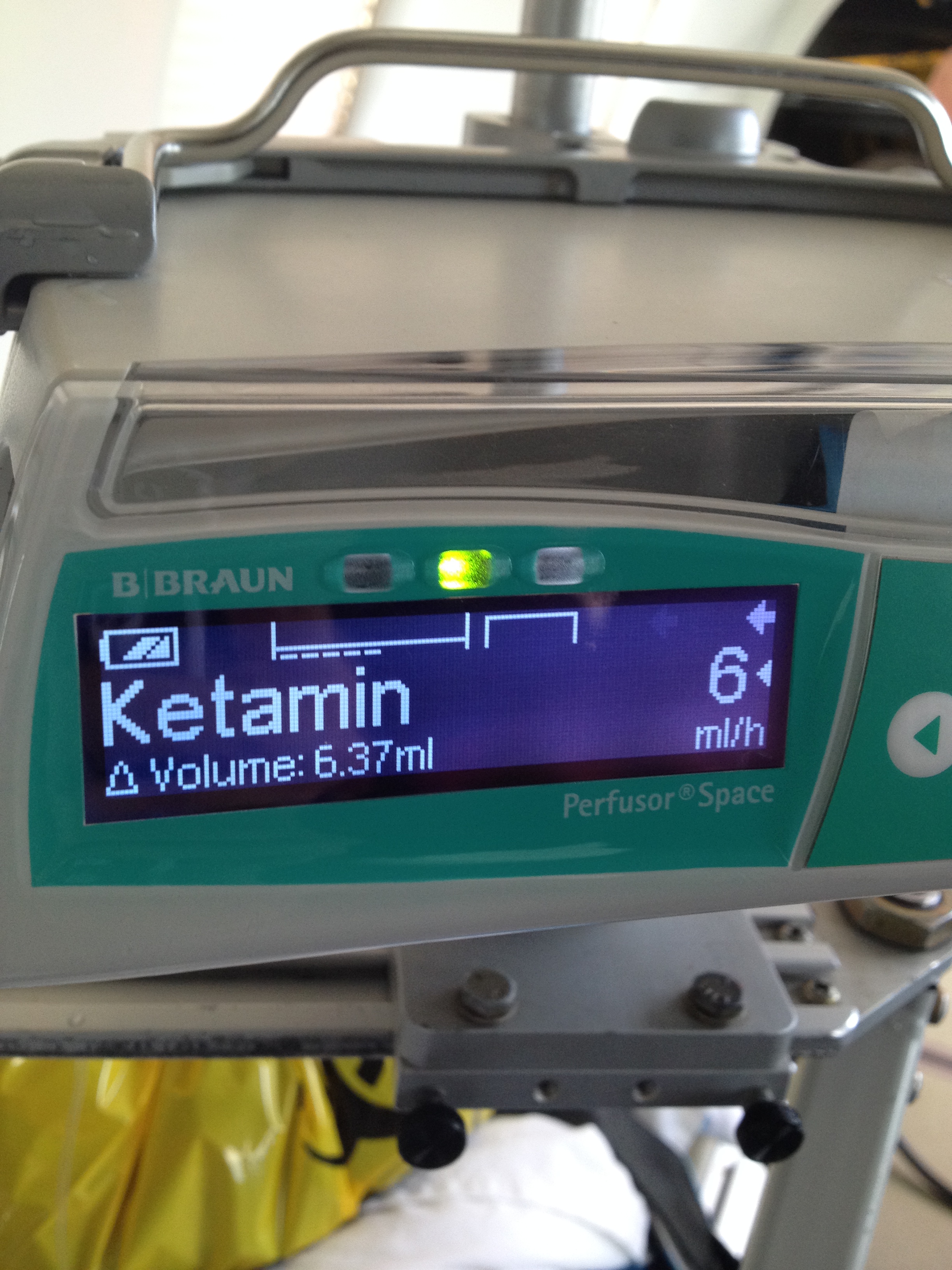
Ketamine’s role in safe surgery must be protected
Hands Off The Ketamine!
A Bit of New Evidence on Drowning
An opportunity for a quick post to point to a new publication with something useful on drowning. From Dr Alan Garner.
Unfortunately we attend a number of paediatric drownings in the Sydney area every year. Many recover well. Some do not. Some do unexpectedly well. We have had a patient who was GCS 3 at our arrival and asystolic on the monitor make a full recovery. Most children in this situation however either die or are severely impaired.
This brings us to a vital question – when is it reasonable to stop resuscitation? Well, here’s some evidence to help inform the chat.
The Dutch Study
Over at the BMJ a new paper has just hit the screen:
This study is a nationwide observational study in the Netherlands of children with cardiac arrest…
View original post 148 more words
General Anesthesia for the Patient with Severe Lung Disease
Video Laryngoscopy by John Vassiliadis & Geoff Healy
Well what are you waiting for? Come say hi at SMACC Chicago!
EMERGENCY SURGICAL AIRWAY By Scott Weingart
Rethinking “remote and rural” education
Safety & Laryngoscopy Debate by Dr George Kovacs
2014 Prehospital/EMS articles of the Year
Management of the acutely agitated patient in a remote location
The Bind About Pelvic Binders – Part 4
Is this the last bit for now? Dr Alan Garner following up on pelvic binders after all the stimulating comments. If you haven’t already, check out part 1, part 2 and part 3.
During the writing of part three of this series on pelvic fractures and particularly after reading Julian Cooper’s comments (thank you Julian) I realised that the observational data around pelvic binders does not entirely fit with the theories. Let’s start with the theory and I might directly borrow Julian’s comments from Part 2 as he says it better than I could:
“In any type of pelvic injury. the bleeding will be either:
- Venous or bone ends: in which case keeping things still with a binder is likely to allow clot formation (low pressure bleeding, low or high flow).
- “Slow” arterial (the sort of thing seen as a blush on contrast CT) which will probably trickle on…
View original post 1,544 more words


You must be logged in to post a comment.