
Continue reading “Aeromedical Retrieval of the Acutely Disturbed Patient – 2015”
EZDrugID campaign – be a lifesaver!

Spontaneous Pneumothorax Emergency by Dr Mellick – great example for EVO competition
Perfect EVO entry but needs to be shorter duration!
Read the rules and enter EVO competition to win free registration to SMACC 2015 in Chicago
Come to SMACC Chicago for FREE!
Keeping Things Calm: Remote Retrieval of the Psychiatric Patient

Jodie Mills, RN works with CareFlight’s Top End Medical Retrieval Service, flying out of Darwin across vast stretches of the Northern Territory. She grew up in the Royal Melbourne Hospital ICU before moving to Darwin 8 years ago where she completed midwifery studies. She joined CareFlight 4 years ago and slightly pities all those who don’t get to fly in the top end.
When asked to contribute to a blog and write about psychiatric aeromedical retrieval all I heard was my colleagues’ collective signs of “not another psych job!!”
The thing is, I’ve developed a bit of an interest in these patients after closely looking at the psychiatric retrievals in NT for the last 3 years. This specialised patient group presents a huge challenge to both the flight crew and our remote colleagues when presenting acutely unwell in our communities.
By the Numbers
I recently presented at the ASA/FNA/ASAM Aeromedical Retrieval Conference…
View original post 1,068 more words
Prehospital care : the future – Habig (SMACCGOLD)
Continue reading “Prehospital care : the future – Habig (SMACCGOLD)”
Cut to air by Weingart (SMACCGOLD)
This saved a life recently. Online learning works!
Airway management in trauma

SMACC ONE
Prehospital anaesthesia
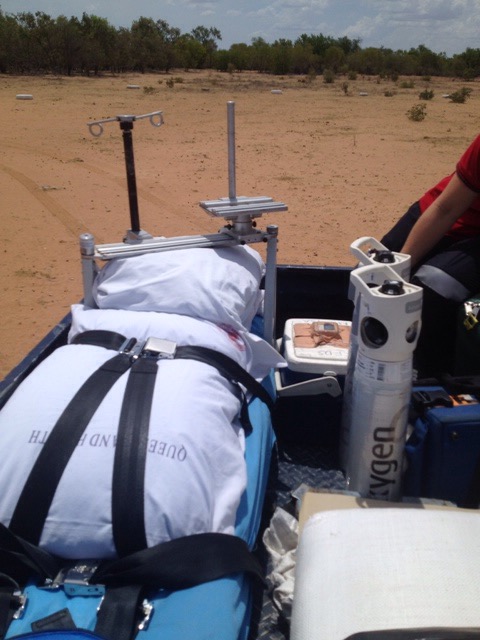
More than you ever wanted to know about extraglottic devices by TamingTheSRU

MEDEST Review 30. One year in Review.


DISCLOSURE: MEDEST strongly encourage AWARNESS reading the propoused articles.
Abstracts are often misleading and articles potentially biased. Even this selection is not immune from potential bias (just human factors not commercial interests).
So download the full text and read it carefully to have a clear and complete opinion of the related topics.
The latest Review of the year is dedicated to a collection of the most important (for us) articles of this 2014.
This is MEDEST way to wish you all Merry Xmas.

Enjoy the reading:
Cardiac Arrest
Chest compression
- Chest Compression Alone Cardiopulmonary Resuscitation Is Associated With Better Long-Term Survival Compared with Standard Cardiopulmonary Resuscitation
- Chest compression depth and survival in out-of-hospital cardiac arrest
Mechanical Devices
View original post 1,305 more words
AIME Airway Highlights 2014
SMACC HAPPY!
REGISTER FOR SMACC 2015 NOW! CHICAGO AWAITS!

Continue reading “REGISTER FOR SMACC 2015 NOW! CHICAGO AWAITS!”
 Prehospital and Retrieval Medicine - THE PHARM dedicated to the memory of Dr John Hinds
You must be logged in to post a comment.