
Listen to this and if you like what you hear, come to the TAPNA 2014 conference in Newcastle, NSW, 30th April to 3rd May
Great content for emergency doctors and nurses, rural health professionals and retrieval medicine providers
In memory of Dr John Hinds
Listen to this and if you like what you hear, come to the TAPNA 2014 conference in Newcastle, NSW, 30th April to 3rd May
Great content for emergency doctors and nurses, rural health professionals and retrieval medicine providers
Great Melbourne workshop in ultrasound guided nerve blocks and vascular access. You will be doing more of this in the prehospital and retrieval setting, if not ALREADY!
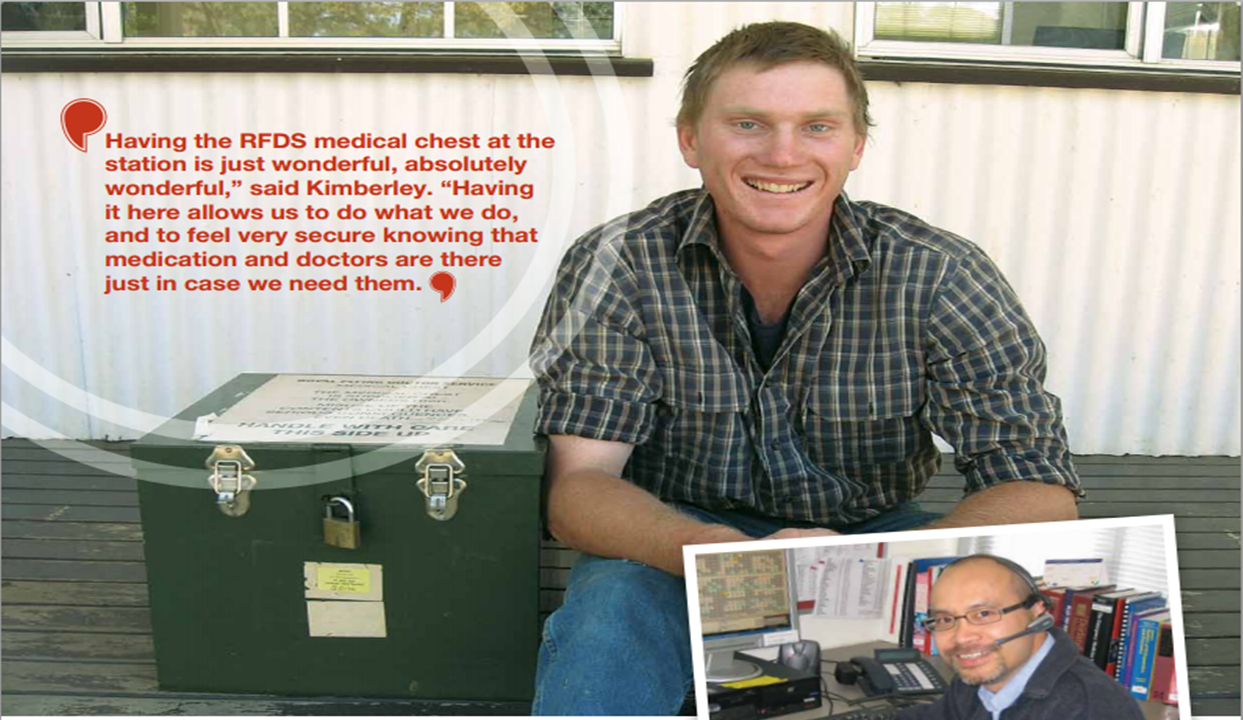
Continue reading “Resuscitation Flash teams on the end of the phone”
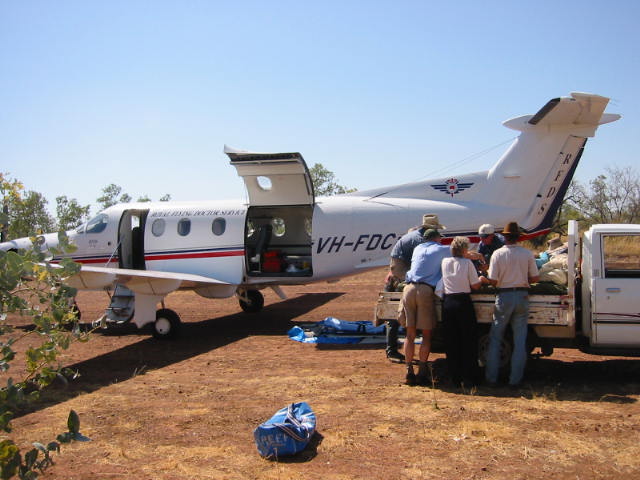
Continue reading “So you want to be an Outback Retrieval Doctor?”

Continue reading “Seconds from disaster – avoiding the airway clean kill”
The WordPress.com stats helper monkeys prepared a 2013 annual report for this blog.

Here’s an excerpt:
The Louvre Museum has 8.5 million visitors per year. This blog was viewed about 210,000 times in 2013. If it were an exhibit at the Louvre Museum, it would take about 9 days for that many people to see it.

Continue reading “Thoughts and prayers with PHARM colleagues in Norway”
“Insanity: doing the same thing over and over and expecting different results”. Albert Einstein.
You could be right in thinking that “safety crusaders” are the glass half empty type, right? Those that believe “what can go wrong, will go wrong” (Murphys Law).
I’m not a pessimist, but I do believe in being prepared for the potential for error, or for when things do genuinely go wrong. We need to avoid Einstein’s insanity; repeating that same thing and expecting different results the next time (as the next time might be a catastrophic outcome). As HEMS clinicians we have a responsibility to get our patients from the pre-hospital to the hospital environment without harm, to the best of our abilities. A culture of safety and forethought, identifying and mitigating for potential hazards (threat and error management) is a prominent facet of our work.
Both Aviation and medicine involve…
View original post 824 more words
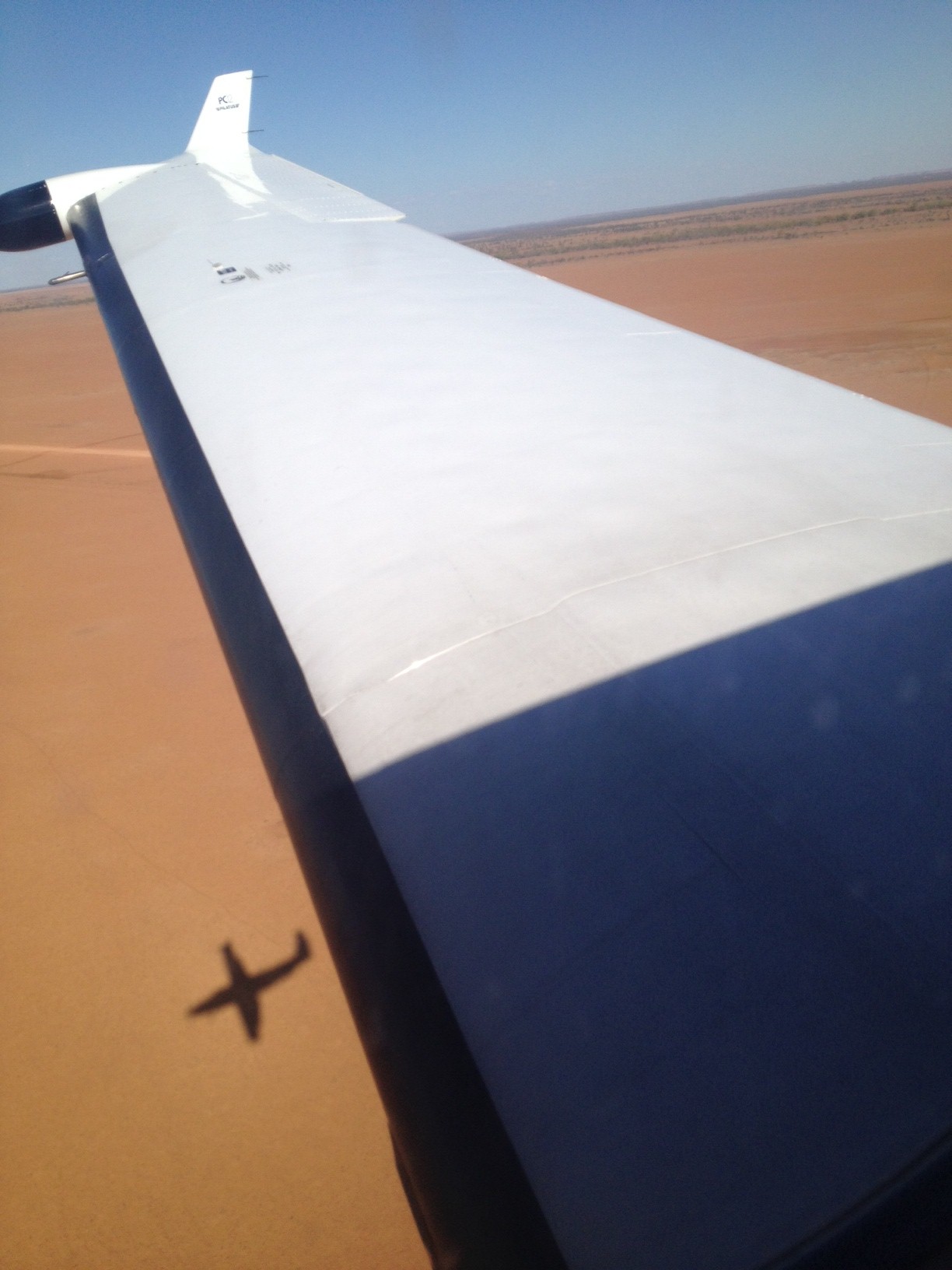


 Prehospital and Retrieval Medicine - THE PHARM dedicated to the memory of Dr John Hinds
You must be logged in to post a comment.