Resus Room Feng Shui by Tim Leeuwenburg
Digitally enhanced airway management
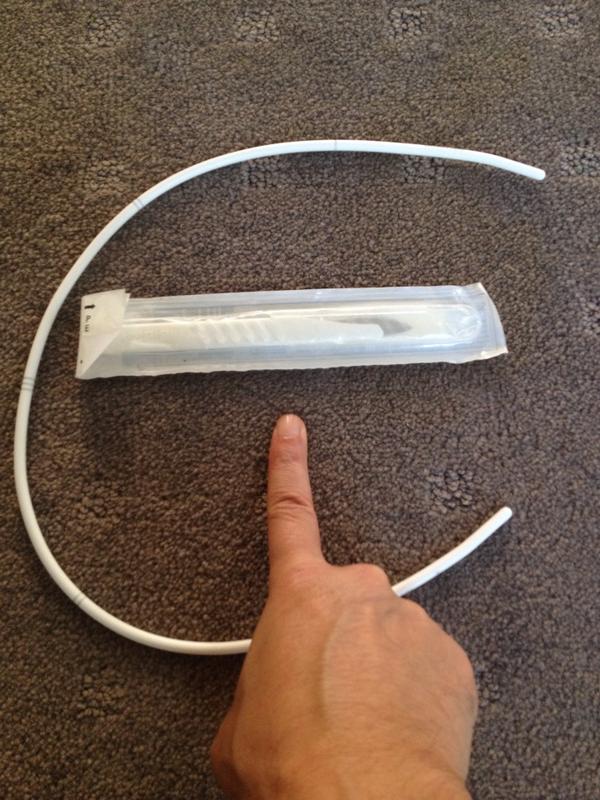
Surgical Airway by Weingart at SMACCGOLD
Ultrasound for airway imaging
Why the VideoLarygoscopy don’t gonna kill the DirectLaryngoscopy (at least in the near future)

A novel publication goes to enrich the long-living debate on direct laryngoscopy (DL) vs video laryngoscopy (VL) efficacy in emergency intubation.
The recent article, pubblished on JEMS and titled “Deploying the Video Laryngoscope into a Ground EMS System” ,compares the success rate beetwen DL vs VL in a ground EMS Service. The device used was the King Vision with channeled blade. The partecipants had a prior training on the divide, consisting in didactic orientation and practical skills on manikins.
The result of the study shown that “Within the first 100 days of the study, the video laryngoscope utilizing the channeled blade has shown to be at least as effective as DL in relation to first-attempt success” and considering that “the mean experience in our group with DL is nine years, yet the success rate remains unacceptable” “It’s time to consider transition from a skill that’s difficult to obtain and maintain…
View original post 451 more words
The Vortex Approach – Why the ASA and DAS Algorithms Are Wrong! A Conversation with Nick Chrimes
Deploying the Video Laryngoscope into a Ground EMS System

Continue reading “Deploying the Video Laryngoscope into a Ground EMS System”
Bubbles in the Wilderness at Adventuremedic

Continue reading “Bubbles in the Wilderness at Adventuremedic”
1st EVO competition winner!
Remember you can enter EVO competition every month and the prize is a free registration to SMACC Chicago 2015!
Digital intubation but not as you know it
Scalpel Finger Bougie Cricothyrotomy for SMACC 2014 from Scott from EMCrit on Vimeo.
This is the technique for surgical airway as taught at Greater Sydney Area HEMS. Thanks for Scott Weingart for producing this demonstration video
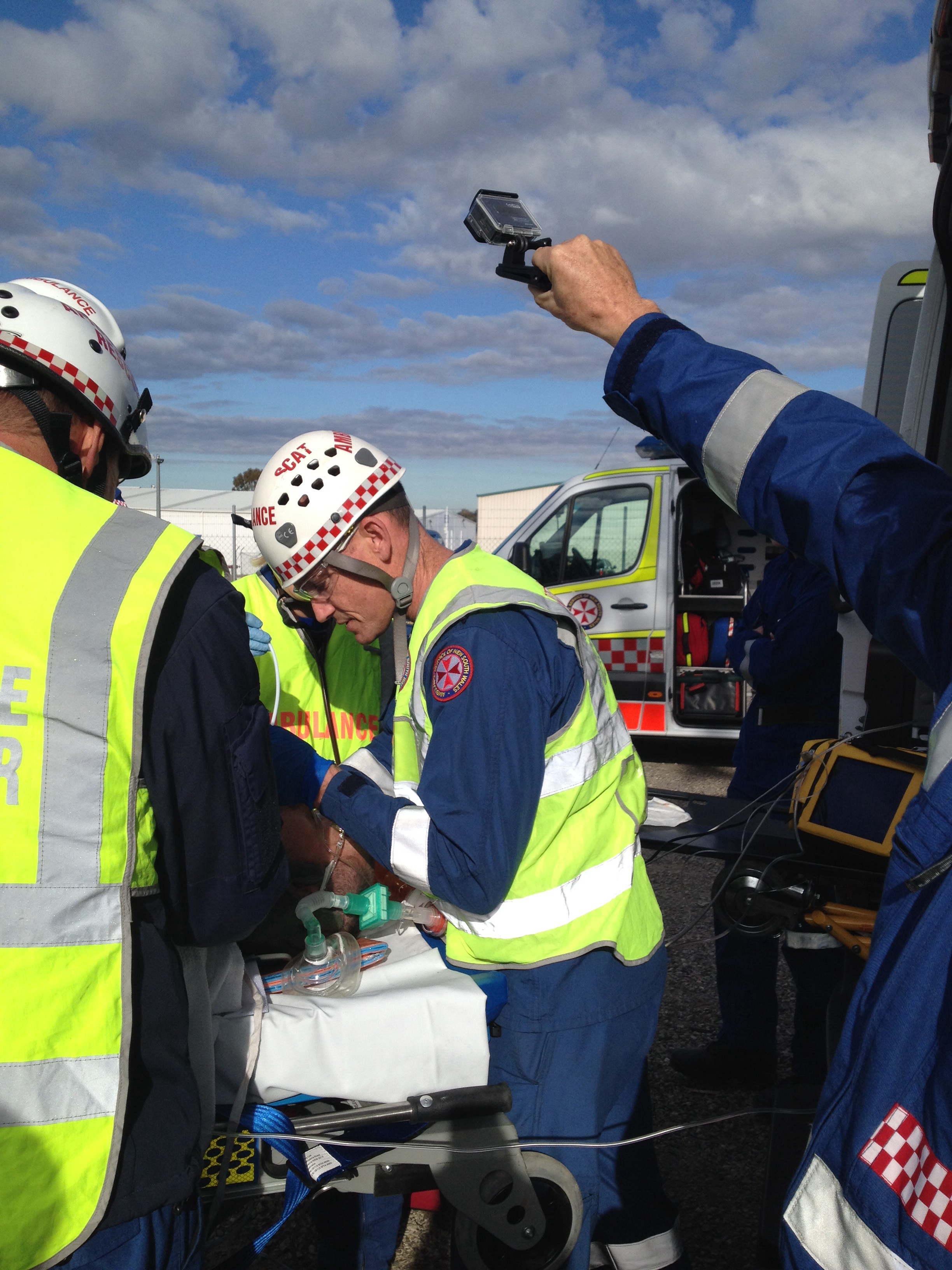
GSA HEMS Airway training – a recipe for success
Continue reading “GSA HEMS Airway training – a recipe for success”
Hymn to Simulation Team Training/ Inno alla Simulazione
Blessed the emergency systems who train their professionals with simulation
Blessed the emergency professionals who challenge themselfs day by day in simulation
Facing their fears to win their weakness
Improving the quality of their work for the good of all patients
They are the future of emergency medicine
Shame on emergency systems who don’t train with simulation
Shame on emergency professionals who don’t have the umility to challenge themselfs
Running from their fears and weakness
Compromising the quality of their work and the health of the patients
They will disappear from emergency medicine panorama
Beati i sistemi d’emergenza che allenano i loro professionisiti con la simulazione. Beati i professionisti che giorno per giorno si mettono in gioco allenandosi con la simulazione,Affrontando le loro paure per vincere le proprie debolezze
Migliorando la qualità del proprio lavoro per il bene dei pazienti Di loro sarà il futuro dell’emergenza sanitaria Poveri i…
View original post 43 more words
PHARM is the finishing school for critical care

Continue reading “PHARM is the finishing school for critical care”
PHARM goes to Sydney HEMS!

 Prehospital and Retrieval Medicine - THE PHARM dedicated to the memory of Dr John Hinds
You must be logged in to post a comment.