Is there a doctor on the plane?

DIY to Stop the Blood

This thing comes from Dr Andrew Weatherall, paediatric anaesthetist and prehospital doc. He also blogs over at www.theflyingphd.wordpress.com
I don’t do DIY. This is partly because in the same way I wouldn’t expect a carpenter to have a crack at fixing their kids’ bones in preference to seeing an orthopod, I think it makes sense to use professionals.
It’s also because I’m just not that great at it. Anything I did make would end up looking like something trying to squeeze itself into the shape of the thing it is sort of supposed to be. And I’m fond enough of my family to want to protect them from the risks of my own handiwork.
 Here’s one I prepared earlier (via CC and flickr user mhlradio)
Anyway, I do paediatric anaesthesia. I get to spend more than enough time trying to make things that aren’t quite right for the situation fit…
View original post 1,172 more words
Doctor Consultation : Outback style

SMACC Chicago Cup song by Dr Ken Milne & Eve Purdy

Continue reading “SMACC Chicago Cup song by Dr Ken Milne & Eve Purdy”
The “3 SIMPLE Rules”: an easy and accurate tool for recognizing VT

Following the discussion on ectopy and aberrancy (view Ectopy or aberrancy? Google Ecg+ community comments on a clinical case.) Ken Grauer, EKG master and author of many EKG books, gave us the permission to share his “3 SIMPLE Rules” to recognize VT in a simple ad accurate way.
Rule #1 Is there extreme axis deviation during WCT
Extreme axis deviation is easy to recognize. The QRS complex will be entirely negative in either lead I or lead aVF. The presence of extreme axis deviation during a WCT rhythm is virtually diagnostic of VT.
Rule #2 Is lead V6 all (or almost all) negative?
IF ever the QRS in lead V6 is either all negative (or almost all negative) then VT is highly likely.
Rule #3 Is the QRS during WCT “ugly”?
The “uglier” the QRS the more likely the rhythm is. VT originates from a ventricular…
View original post 80 more words
Prehospital Use of IM Ketamine for Sedation of Violent and Agitated Patients

Cutting the Edge of the Trauma Void by Dr Oran Rigby

Continue reading “Cutting the Edge of the Trauma Void by Dr Oran Rigby”
Dr. Reuben Strayer – Emergency Thinking
Dr. George Kovacs: Human & Psychological Factors in Airway Management
Airway Q&A at SMACCGOLD
Cardiac Arrest : Evaporating the nihilism by Dr Alex Tzannes
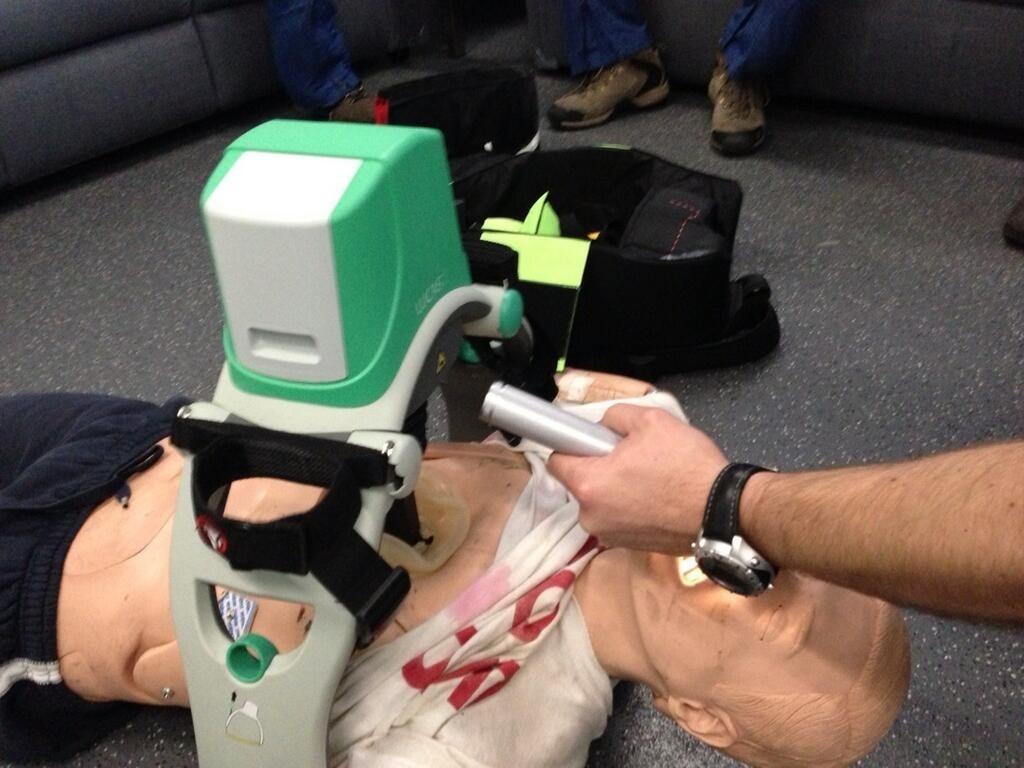
Continue reading “Cardiac Arrest : Evaporating the nihilism by Dr Alex Tzannes”
Anaesthesia in the shocked patient by Dr Geoff Healy

Continue reading “Anaesthesia in the shocked patient by Dr Geoff Healy”
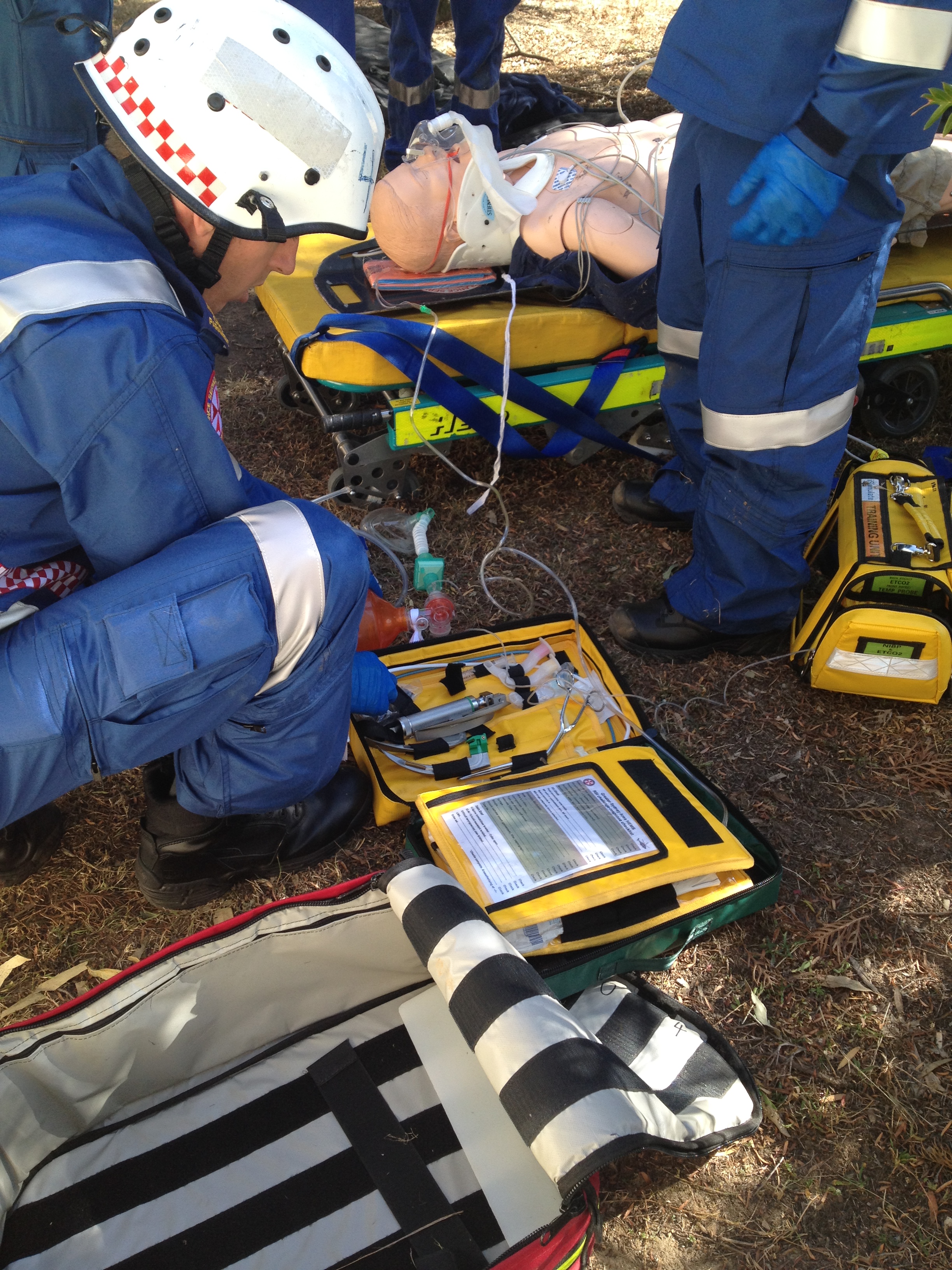
Retrieval & trauma updates for rural providers: Can’t intubate/oxygenate – help is not nearby

 Prehospital and Retrieval Medicine - THE PHARM dedicated to the memory of Dr John Hinds
You must be logged in to post a comment.