Congratulations to the JAMIT13 Judges’ choice winner, Dr John McKenzie!
EMERGENCY TRAUMA MANAGEMENT COURSE MANUAL – FREE SAMPLE CHAPTERS FOR DOWNLOAD!
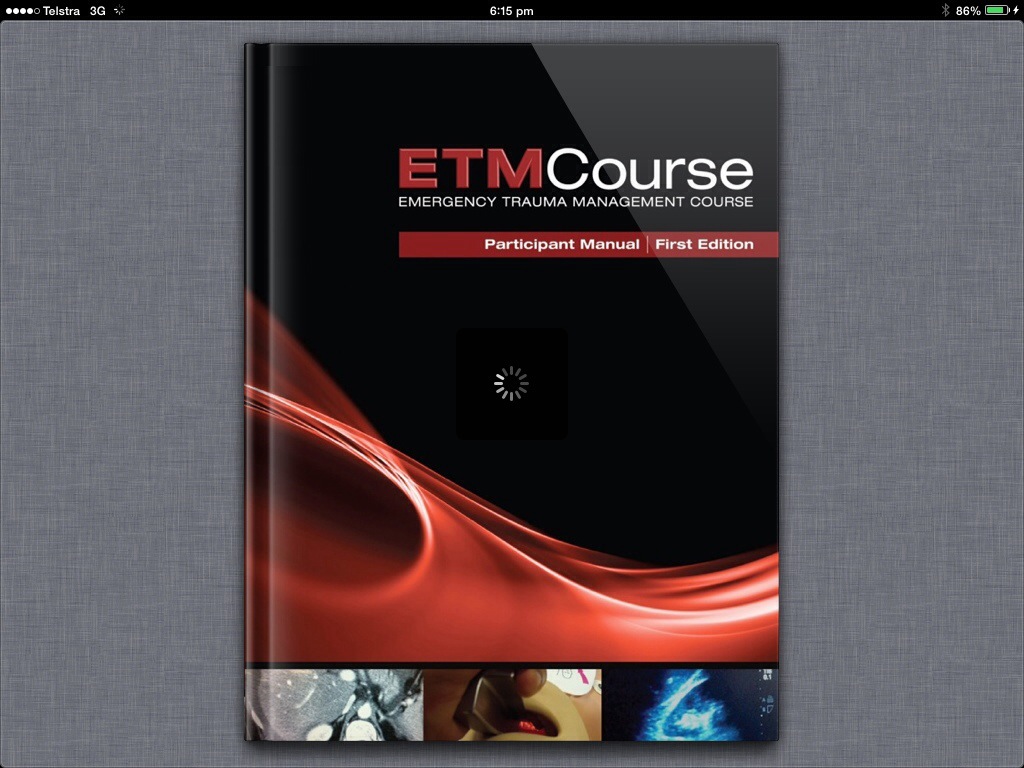
Trauma Junkie? Have I got the course for you!

For all you trauma junkies out there (and let’s face it, that’s most of us at some stage) there is a new way to get your fix of top-notch, innovative, interactive and exciting education….
View original post 278 more words
Ketamine : its current and potential role in rural mental health care
Aeromedical FOAMEd : presentation slides from the Aeromedical Society Australasia & Flight Nurses Australia 2013 conference
Missed the conference? Well check out the presenters` slides at least! Some gems here by Dr Brent May on videolaryngoscopes and MICA flight paramedic Matt Shepherd on difficult prehospital airway case.
PRESENTATONS FROM MELBOURNE 2013 CONFERENCE
MEDEST Review. Speciale FOAMED Italy

This is a special edition dedicated to what’s on in Italy about FOAmed Blog and authors.
 This is not intended as a comprehensive review but just a brief look on Italian way to blog in emergency medicine. So sorry in advance if I forgot someone. Instead notify me any Blog you think worths to be mentioned.
Thanks to everyone and enjoy!
Questa edizione speciale di MEDEST Review è dedicata ai Blog di Medicina d’urgenza nazionali. Non può e non vuole essere un elenco esaustivo di tutti i Blog in materia ma solo uno sguardo sul panoramma FOAmed in Italia. Mi scuso in anticipo con tutti coloro che non ho menzionato e v iprego di segnalarmi tutti quei Blog che ritenete degni di nota.
Grazie e buona lettura!

EM pills
Carlo D’apuzzo, Mattia Quarta e gli altri autori fanno di questo Blog uno dei più vitali del panorama nazionale. Post…
View original post 294 more words
Cosa ti sei perso questa settimana! MEDEST Review 08
This week MEDEST review is a summary of the best posts in the FOAMED (free on line medical education) net.
Is a way to thank all the Blogs, and their authors, that inspired MEDEST from his beginning and continue, day by day, to inspire his activity.
Thanks to everyone and enjoy!
Questa settimana la review fa una carrellata del meglio che la rete ci offre in tema di medicina d’urgenza. Per una volta non citeremo riviste scientifiche ma Blog ed autori che si occupano in rete di medicina d’urgenza intra ed extraospedaliera. E’ anche un modo per ringraziare tutti coloro che hanno ispirato la nascita di MEDEST e continuano ad ispirare giorno per giorno i post che vengono pubblicati.

CPR: Hands-on or Hands-off Defibrillation?
Michelle Lin, MD ed altri autori contribuiscono ad una Blog che è diventato una pietra miliare per tutti coloro che si occupano di Medicina d’urgenza. Questo…
View original post 527 more words
Auckland HEMS app under development
kudos!

In the last few days there has been talk on the twittersphere about retrieval apps.
Auckland HEMS is currently developing an app for use in our service. For the first iteration we have chosen a DIY web-based application (ibuildapp.com) to create the app. Examples of features that we can (in theory) include are:
- text and image pages for checklists, SOPs, and paediatric resuscitation formulae
- custom HTML forms for job debriefs, RSI audits etc – these can be filled in on the phone and then emailed to a designated collection person
- live displays of webpages including aucklandHEMS.com, weather/tide information
- live display of a google calendar for HEMS training and events
- a personal training log for clinicians
Clearly offline functionality will be essential – 3G coverage on the far side of Great Barrier Island may be patchy at best…!
The current plan is to build the app online and test…
View original post 110 more words
Auckland HEMS – the first two years
This slideshow, assembled by Dr Chris Denny, shows the ARHT & Auckland HEMS team during the first two years of the HEMS initiative. It was presented at a recent strategic planning meeting to plot the future course of the service. The gentleman whose photo is shown at the start is the late Dr Robin Mitchell, a UK-trained emergency physician who was instrumental in laying the groundwork for Auckland HEMS.
Enjoy!
(and rest assured no mannequins were harmed in the making of this slideshow… sort of…)
Ketamina e trauma cranico/ Ketamine use in Traumatic Brain Injury
Some weeks ago we pubblished this post:
I’m deeply convinced that Ketamine use in TBI is safe, and that the evidences against his use in patients with TBI are based on old and small case studies affected by major limitations.
The recent evidences that shown as Ketamine doesn’t race ICP, despite increasing MAP (thank god!), are based on small but well done trials and are as good (or even more) than the previous ones.
I’m also convinced that the utlity of Ketamine in sedation of severe injuried patients so much outweight the so lightly evidenced controindication in TBI, that his use is still mandatory in trauma patients who need emergency sedation.
We launched the following pool
and here are the results
References:
View original post 52 more words
Brian Burns – Always carry your scalpel
Have we been waiting for this!
Courtesy of The Intensive Care Network – here is Dr Brian Burns (Greater Sydney Area HEMS) speaking at SMACC 2013 on prehospital procedures…
Click HERE for the audio (right click to open this in a new tab)
Accompanying slides below:
Interview with Remote Area Nurse Jaine Morris

My pal Dr Douglas Lynch (aka @TheTopEnd) interviews a remote nurse Jaine from Lockhart River, a remote community that the Royal Flying Doctor Service visits to provide medical outreach. Listening to the interview I suddenly remembered the phone call a while ago from Jaine asking for advice about how to remove glass from a boy’s foot. As you will hear, I talked her through doing her first ankle nerve block ..successfully might I add!
Minh
Should paramedics perform tracheal intubation?
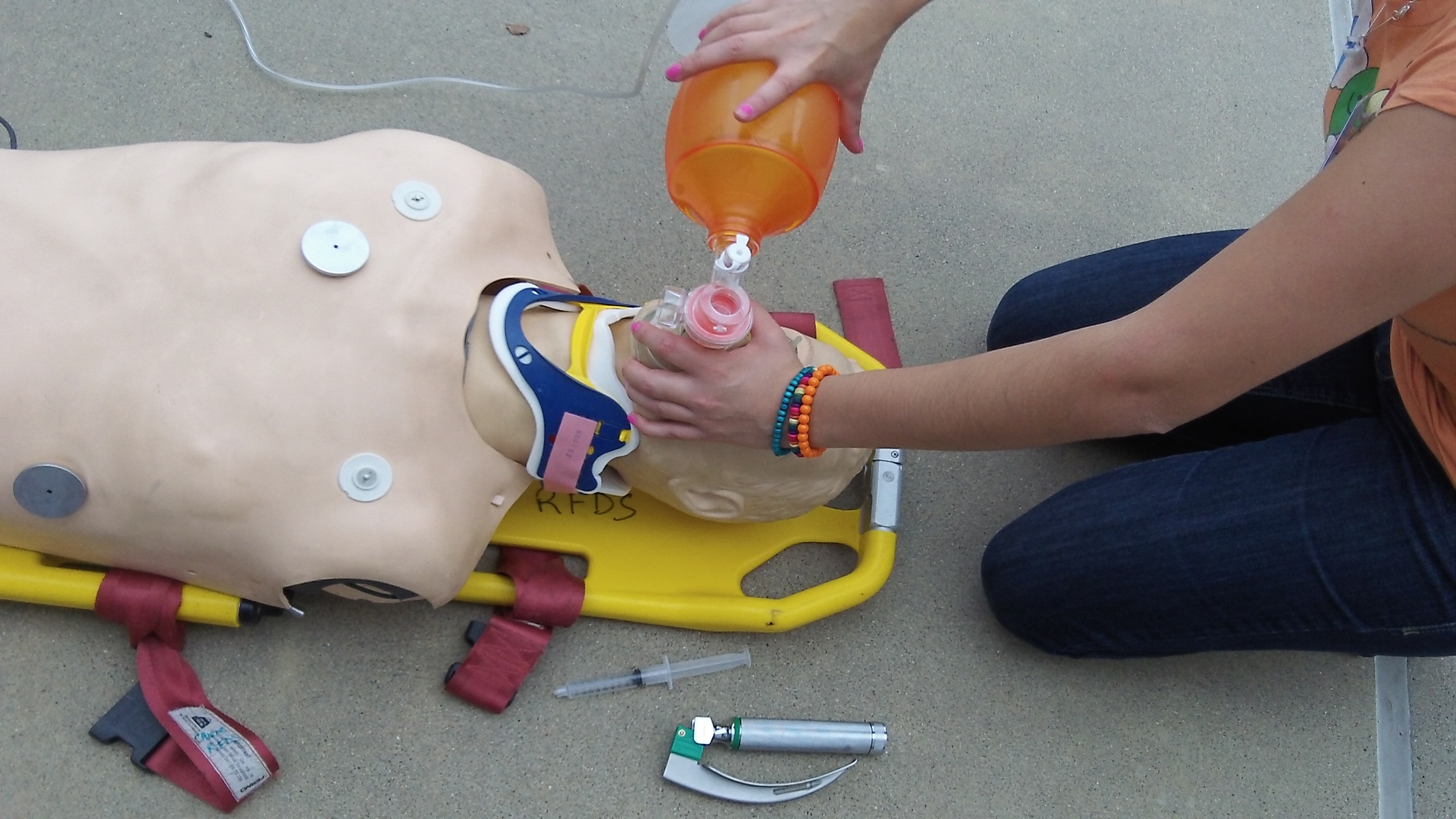
Emergency Trauma Management – A New Hope?

Learning curve for paramedic endotracheal intubation and complications
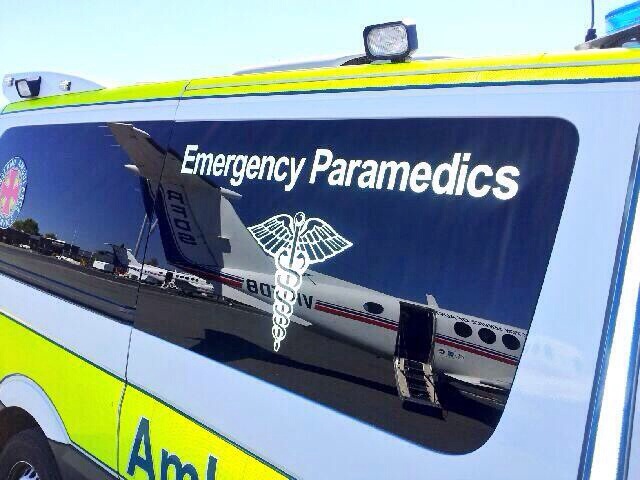
(picture courtesy of Twitter Queensland Ambulance)
Continue reading “Learning curve for paramedic endotracheal intubation and complications”
 Prehospital and Retrieval Medicine - THE PHARM dedicated to the memory of Dr John Hinds
You must be logged in to post a comment.